


Table of Contents
A painted accent wall in chocolate brown can feel risky. Get the pairings wrong and the room turns heavy fast.
Chocolate Brown works best when it has a job to do. It grounds a sofa wall, warms a bedroom, or anchors open shelving.
These 24 ideas show how to style it room by room. Each one pairs the painted wall with furniture, light, and texture that keep it rich but livable.
1. Float a Brown Leather Sofa in Front of the Wall
Leather and a painted wall share a job: both add weight. A brown leather sofa placed a few inches off a chocolate wall reads as one intentional layer.
Keep the leather a shade lighter or darker than the paint. Matching tones exactly can blur the two together.
Add a light throw and a pale rug. The contrast stops the corner from feeling flat.
Still on the fence about mixing brown with lighter neutrals? These brown and beige pairing ideas show balanced rooms worth copying.

2. Carry Chocolate Brown Through an Open-Plan Living Room
Open plans punish timid color. A chocolate wall in one zone needs echoes elsewhere or it looks stranded.
Repeat the tone in the rug, the sofa, or wood shelving. Two or three echoes tie the zones together.
Keep ceilings and far walls light. That contrast lets the brown wall lead without closing the space in.
Watch traffic flow before you commit. The painted wall should sit where eyes land naturally, not behind a door swing.

3. Style a Brown Sectional with Gallery Frames
A big sectional can swallow a wall whole. Art above it breaks the brown into a composed backdrop instead of a void.
Hang frames with warm white mats. The white breathing room keeps the arrangement crisp against dark paint.
Mix frame finishes: black, oak, brass. Three finishes look collected, not matched.
Leave six to eight inches between the sofa top and the lowest frame. That gap keeps the grouping from feeling crowded.

4. Pair a Tufted Brown Headboard with the Wall
Bedrooms forgive dark paint more than living rooms. You spend evenings there, when deep tones feel restful.
A tufted headboard in cocoa velvet softens the geometry. Buttons and folds catch lamplight in a way flat paint cannot.
Choose bedding in cream or oatmeal. Light textiles lift the bed away from the wall visually.
Add one brass lamp on the nightstand. Warm metal glows beautifully against chocolate paint after dark. Keep the other walls light so the brown stays a feature, not a cave.

5. Hang a Chandelier Over Brown Bedroom Accents
Overhead light decides whether chocolate paint feels luxe or gloomy. A chandelier spreads light wide and flatters the wall.
Pick a fixture with warm bulbs, around 2700K. Cool light turns brown paint muddy and flat.
Crystal or glass shades scatter sparkle across the wall. That movement keeps a dark surface lively.
Dim it in the evening. Brown walls reward low, warm light more than bright overhead glare. A dimmer switch costs little and changes the whole mood.

6. Match Brown Wood Cabinets to the Wall Tone
Kitchens rarely get accent walls, but a chocolate wall behind brown wood cabinets looks deliberate. The trick is matching undertones.
Hold a cabinet door sample against paint swatches in daylight. Both should lean warm, not one warm and one cool.
Keep countertops light: quartz, butcher block, or pale stone. The light surface separates cabinet from wall.
Open shelving on the brown wall displays dishes beautifully. White ceramics pop against the dark backdrop.
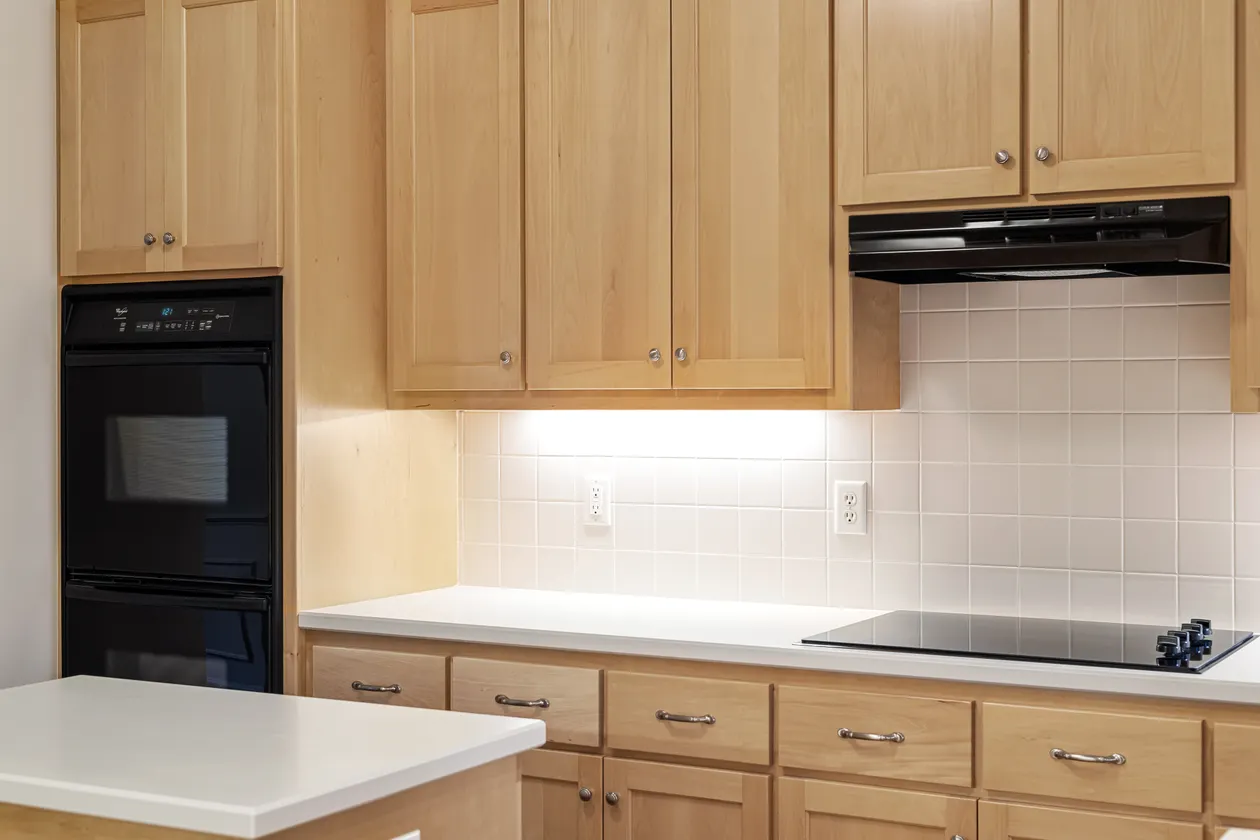
7. Soften the Kitchen with Marble and Wood
Marble cools down chocolate brown fast. In a kitchen, that balance keeps the room fresh rather than heavy.
A marble countertop or backsplash slab introduces pale veining. The veins echo the wall color in thin, elegant lines.
Pair with warm wood stools or open shelves. Wood bridges the gap between the cool stone and the brown wall.
Brushed brass taps finish the mix. Three materials, one calm palette. This trio works in both modern and classic kitchens.

8. Set a Modern Dining Area Against the Wall
Dining rooms suit chocolate walls because meals happen in warm light. The paint deepens as the evening goes on.
Choose a table in pale oak or white. A light tabletop floats visually against the dark wall.
Upholstered chairs in caramel or tan link the table to the wall. The gradient feels planned.
One pendant light centered over the table anchors the setup. Keep its glow warm and focused downward. A dimmer lets you shift from homework bright to dinner soft.

9. Ground the Eat-In Kitchen with Brown Chairs
Not ready to paint a whole wall chocolate? Start smaller. Brown dining chairs pull the color into the room gently.
Wood or leather chairs around a light table create the brown story. The painted wall then feels like a natural extension.
A dark rug under the table ties chairs to floor. It also protects wood floors from daily chair scrapes.
Slipcovers in washable linen keep the look practical. Kitchens need wipeable choices, not precious ones.

- ▸Wood chairs in a warm stain
- ▸Leather seats, easy to wipe
- ▸Washable linen slipcovers
- ▸Dark rug under the table
10. Balance the Dark Wall with Big Windows
Chocolate paint drinks light. Rooms with generous windows handle it best, since daylight offsets the depth.
Place the accent wall opposite or beside the windows, never on the window wall itself. You want light washing across the paint.
Sheer curtains keep the light flowing. Heavy drapes plus dark paint can overwhelm a small room.
A large mirror on an adjacent wall doubles the daylight. It also bounces the brown tone softly around the room.

11. Frame a Fireplace with Chocolate Brown
A fireplace already commands attention. Painting the chimney breast chocolate brown turns it into a true focal point.
Keep the mantel light: painted wood, limestone, or pale oak. The pale line defines the fireplace against the dark.
Style the mantel sparingly. Two candlesticks and one piece of art beat a crowded shelf.
Flames and brown paint are natural partners. Firelight makes the wall glow amber in the evening. Even an electric fireplace gives you that warm flicker.

12. Layer a Brown Quilt Over a Light Sofa
Painting feels permanent, but textiles are not. A brown quilt over a pale sofa tests the color story before you commit.
Fold the quilt in thirds across one arm. The casual drape looks styled without trying too hard.
Add cushions that pick up the quilt’s tone. Two is enough; more starts to look staged.
If the quilt feels right after a month, paint with confidence. If not, you have lost nothing.

13. Contrast Leather with a Marble Coffee Table
A marble coffee table does heavy lifting in a brown room. Its cool, pale surface cuts through all that warmth.
Choose honed marble over polished. The matte finish reads modern and hides fingerprints better.
Style it with a low stack of books and one small plant. Keep the surface mostly clear so the stone shows.
The table’s pale tone echoes light walls elsewhere. That echo keeps the room connected. Carry the marble veining into a tray or vase for rhythm.

14. Choose a Tufted Brown Couch for Texture
Flat brown paint plus flat brown fabric can fall dull. Tufting fixes that with shadow and depth.
Deep button tufts catch light differently across the day. Morning sun and evening lamps each reveal new texture.
Keep surrounding fabrics simple: smooth linen curtains, a flat-weave rug. Let the couch carry the texture story.
A tufted couch suits classic and modern rooms alike. The silhouette decides which way it leans. Low arms read modern; rolled arms read traditional.

15. Warm Brick Beside Chocolate Brown
Brick and chocolate paint share earthy roots. Together they build a warm, grounded wall composition.
If your brick runs orange, pick a brown paint with red undertones. The two will harmonize instead of clashing.
A leather sofa between them bridges old and new. Leather’s sheen plays well off rough brick.
Add black metal accents: a floor lamp, curtain rods, frames. Black sharpens the whole warm palette. A black-framed mirror on the brick doubles light and edge.

16. Add Earthy Bedroom Lighting
Bedroom lighting should flatter both you and the paint. Warm, layered light makes chocolate walls glow.
Use two bedside lamps instead of one overhead. Pools of light at pillow height feel intimate.
Linen shades diffuse the glow softly. Avoid bare bulbs, which create harsh spots on dark paint.
A small picture light over art adds a third layer. It draws the eye across the room. Battery-powered picture lights avoid any wiring hassle.

17. Layer Soft Brown Bedroom Textures
One brown is a color; five browns are a palette. Layering textures keeps a chocolate bedroom rich.
Mix velvet cushions, a wool throw, and linen bedding. Each fabric reflects light a little differently.
Stay within two steps of the wall color, lighter or darker. Drifting too far breaks the harmony.
A jute or sisal rug grounds the bed. Natural fibers keep the layered look from feeling fussy. Choose a rug large enough to extend past the bed sides.

18. Keep the Palette Minimal and Earthy
Chocolate brown can anchor a minimalist room. The secret is restraint everywhere else.
Limit the palette to three tones: chocolate, warm white, and one wood. Fewer colors read calmer.
Choose furniture with clean lines and visible legs. Air underneath keeps the dark wall from pressing down.
One sculptural object per surface is plenty. Negative space is part of the design here. A single arch mirror can be the room’s quiet statement.
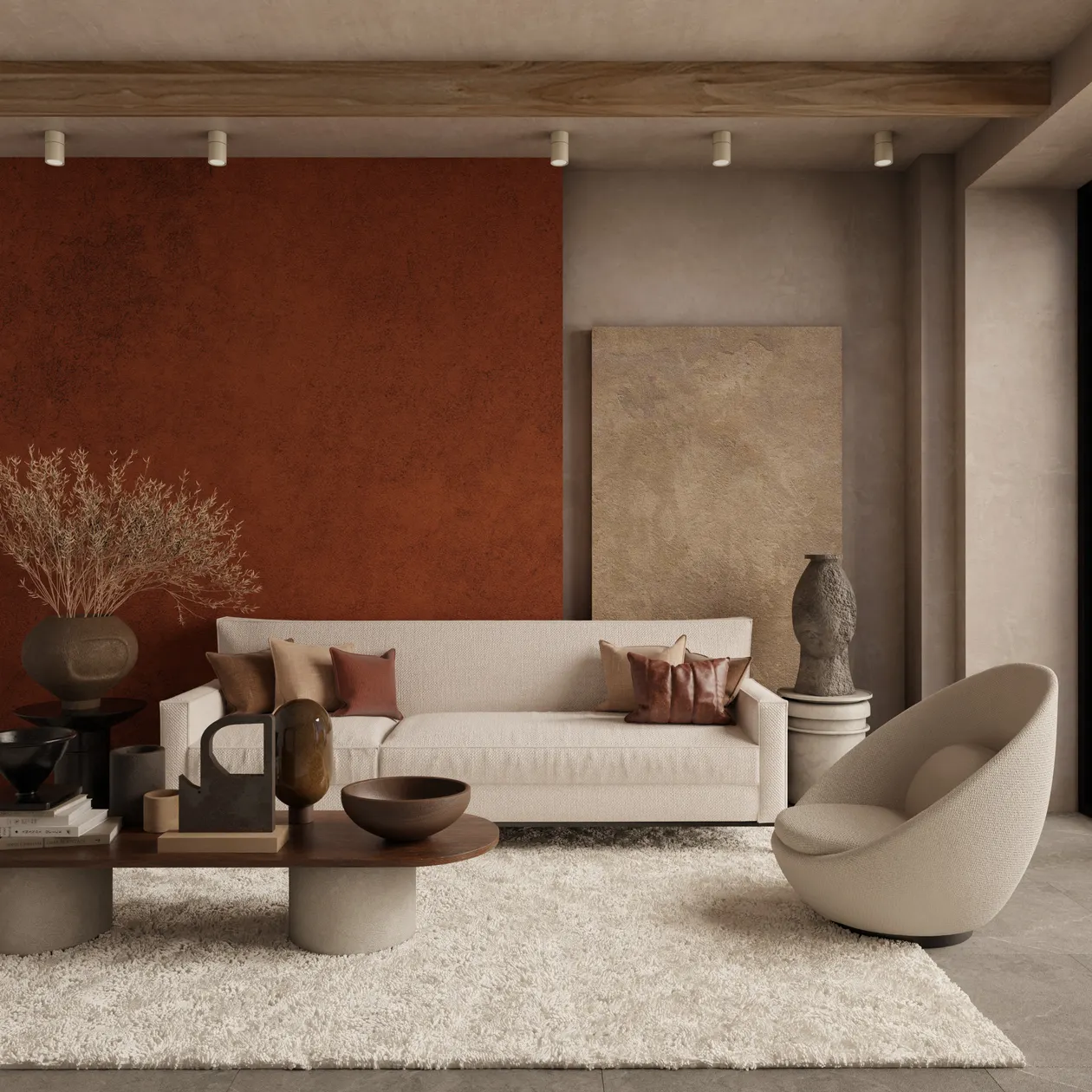
19. Break the Brown with Green Plants
Every brown room needs something alive. Green plants cut through the warmth with fresh contrast.
Tall plants like olive trees or fiddle leaf figs suit corners. Their height balances a dark wall’s visual weight.
Terracotta pots extend the warm palette. White ceramic pots add crisp punctuation instead.
Group plants in odd numbers. Three pots of varied heights look natural together. Start with easy growers like pothos or snake plants, and water only when dry.

- ▸Olive tree for empty corners
- ▸Fiddle leaf fig for height
- ▸Terracotta pots, warm tone
- ▸Group in odd numbers
20. Finish with Flowers and Soft Decor
Fresh flowers lift a chocolate room instantly. Their color and scent soften the paint’s seriousness.
Choose blooms in cream, blush, or pale peach. Pastels glow against dark brown without competing.
A simple glass or ceramic vase keeps the focus on the flowers. Ornate vases fight the wall for attention.
Swap stems weekly if you can. Even grocery flowers change the room’s mood completely. Trim stems at an angle so they drink better.
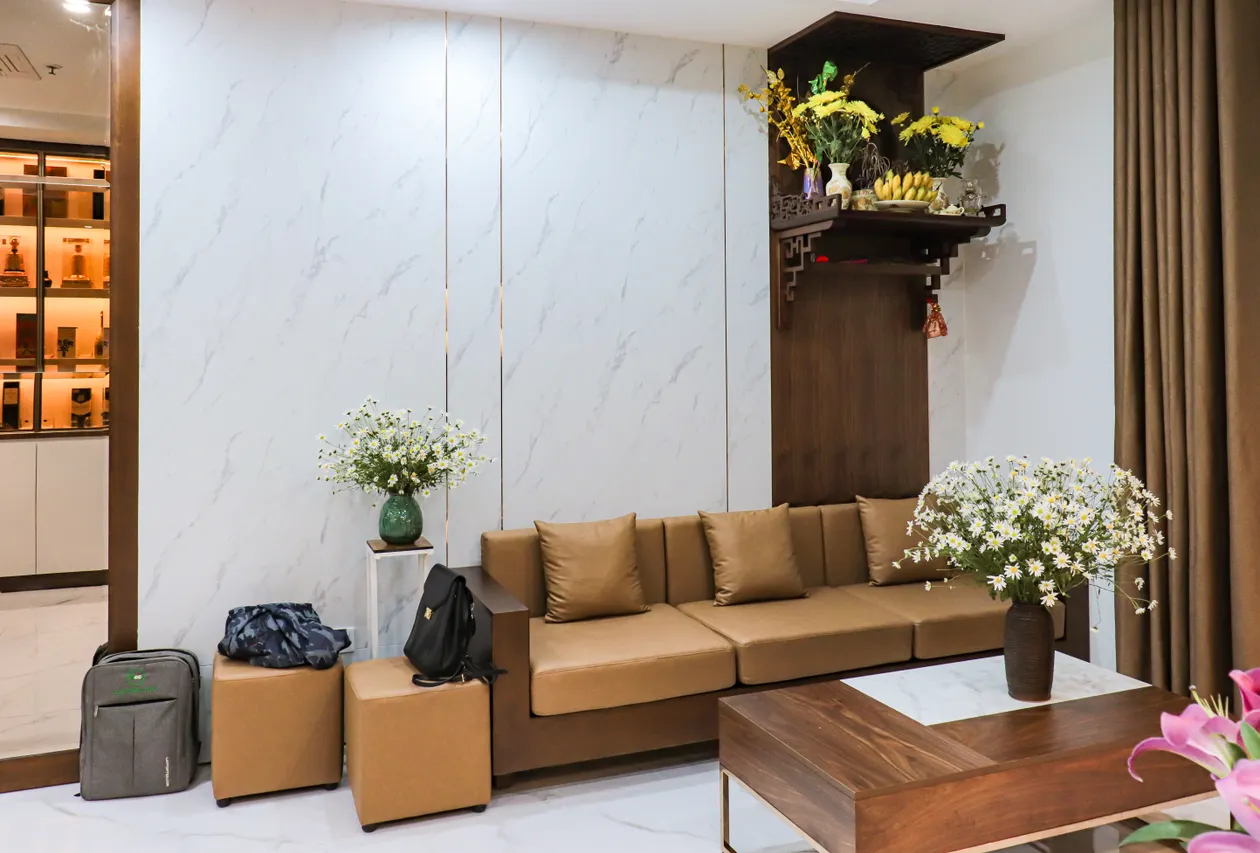
21. Style the Coffee Table in Matching Tones
A coffee table styled in the room’s palette ties everything together. Think of it as a small still life.
Start with a tray in wood or brass. The tray corrals smaller objects into one composition.
Add something brown, something cream, something green. That trio mirrors the whole room.
Leave empty space on the table. A crowded table fights the calm you built elsewhere. A scented candle in a brown glass jar finishes the vignette.

22. Dress the Side Table Against the Wall
Side tables often sit forgotten against accent walls. Styled well, they become small moments of polish.
A table lamp adds height and a second light source. Its glow grazes the paint beautifully at night.
Stack two books, then top with a small object. The rule of three works on small surfaces.
Keep cords hidden behind the table. One visible cable can undo an otherwise tidy vignette. A cord cover painted to match the wall disappears completely.

23. Try the Look in a Small Room
Small rooms handle chocolate paint better than you might think. Dark walls blur corners and can feel expansive.
Paint all walls, not just one, in a tiny room. A single dark wall in a small space can feel like a mistake.
Keep furniture legs visible and fabrics light. Visual airiness offsets the enveloping color.
One large mirror doubles the perceived size. Hang it where it catches the window light. Lean it casually on the dresser for a relaxed feel.

24. Mix Classic Bedroom Pieces with the Wall
Classic furniture loves a chocolate backdrop. Wood tones and tailored upholstery look richer against it.
A wooden bed frame in walnut or mahogany echoes the wall. The match feels intentional, not accidental.
Crisp white bedding keeps the classic look fresh. It also makes the bed the room’s bright focal point.
Brass or bronze hardware on nightstands adds a jewelry-like finish. Small metallic touches go far here. Polish them twice a year to keep the glow.

Chocolate brown earns its place on an accent wall when the rest of the room supports it. Light textiles, warm lighting, and natural textures keep the depth inviting instead of heavy.
Start with one idea that fits your space today. A quilt, a plant, or a new lamp can test the palette before you open a paint can.
When the wall is up and the room glows, save this guide to your neutral color board on Pinterest. It will be there the next time a room asks for something rich.
Comments